Destinations
Alexandroupolis offers a variety of destinations, from its beach and the traditional Lighthouse, to the Ethnological Museum of Thrace and the wider nature of Evros, such as the Evros Delta and the Dadia Forest, while the Monastery of Panagia Kosmosoteira in Feres is an important historical monument.
Alexandroupolis Lighthouse
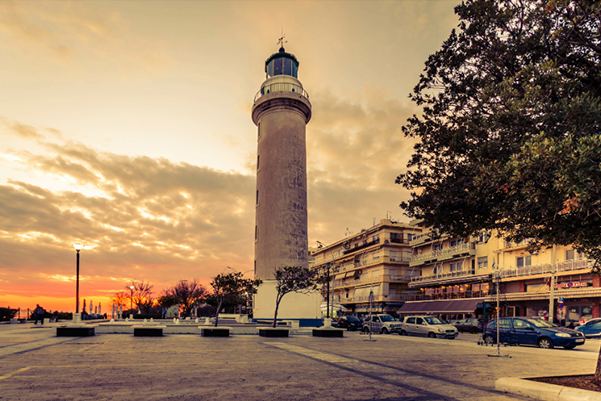
The Lighthouse of Alexandroupolis is the most characteristic point of interest and symbol of the city, where visitors can take a walk and enjoy the view. It was built in the 19th century and has been operating without interruption since then. It is one of the tallest lighthouses in Greece, as its height reaches 18 meters!
Evros Delta
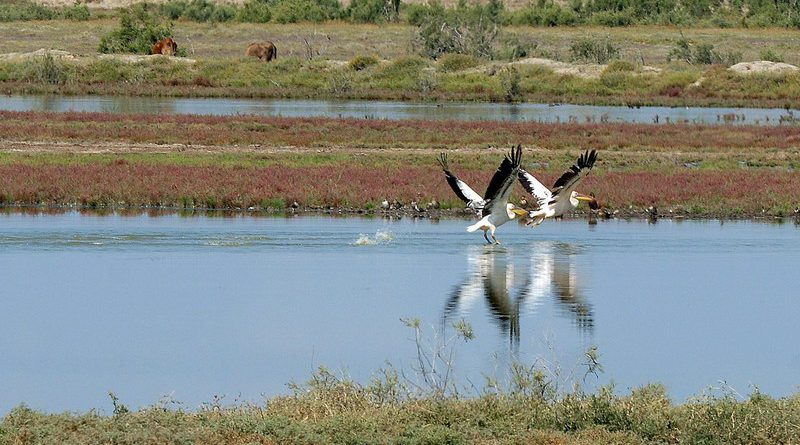
An important wetland with rich biodiversity. Lakes, lagoons and islets with an extremely rare microclimate and rich vegetation that is a refuge for rare birds and animals. Dozens of bird species migrate and winter here.
Dadia Forest
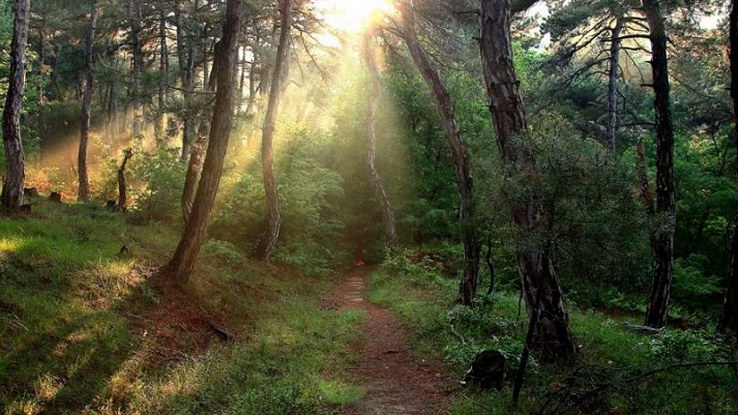
One of the most important forests of Northern Greece, known for its rich birdlife. It is the largest "Natura 2000" area in Greece. The protected National Park of Dadia-Lefkimmi-Soufli, which is an important refuge for rare birds of prey throughout Europe, the 40 million year old petrified forest of Lefkimmi.
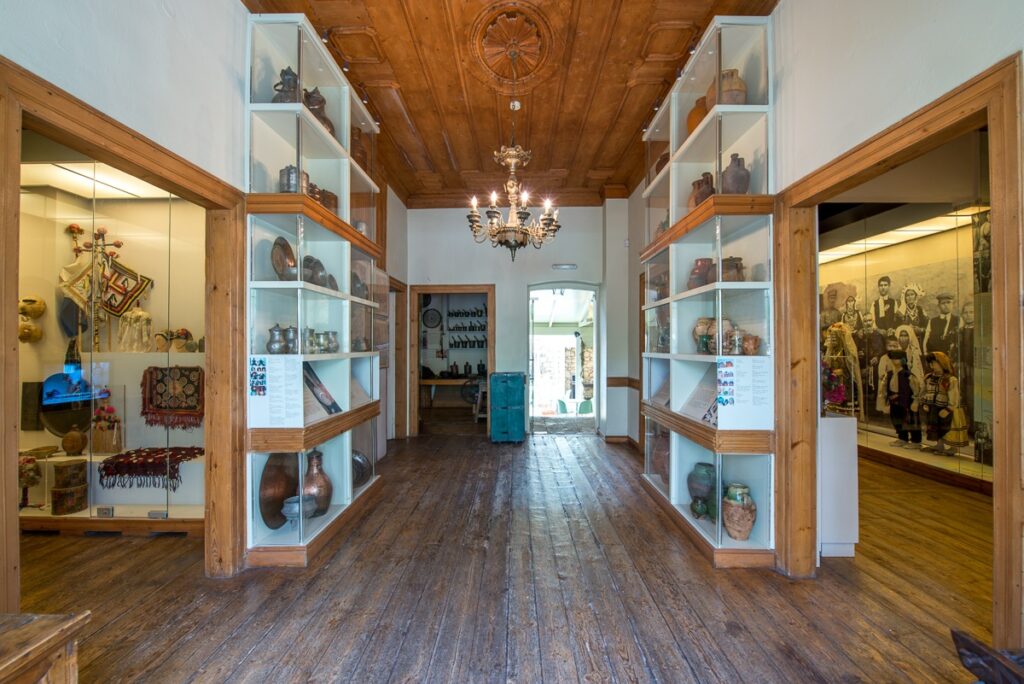
Ethnological Museum of Thrace
On one of the main streets of Alexandroupolis, you will find the Ethnological Museum of Thrace. It is housed in a stone neoclassical building and hosts exhibits that highlight the traditional life of Thrace.
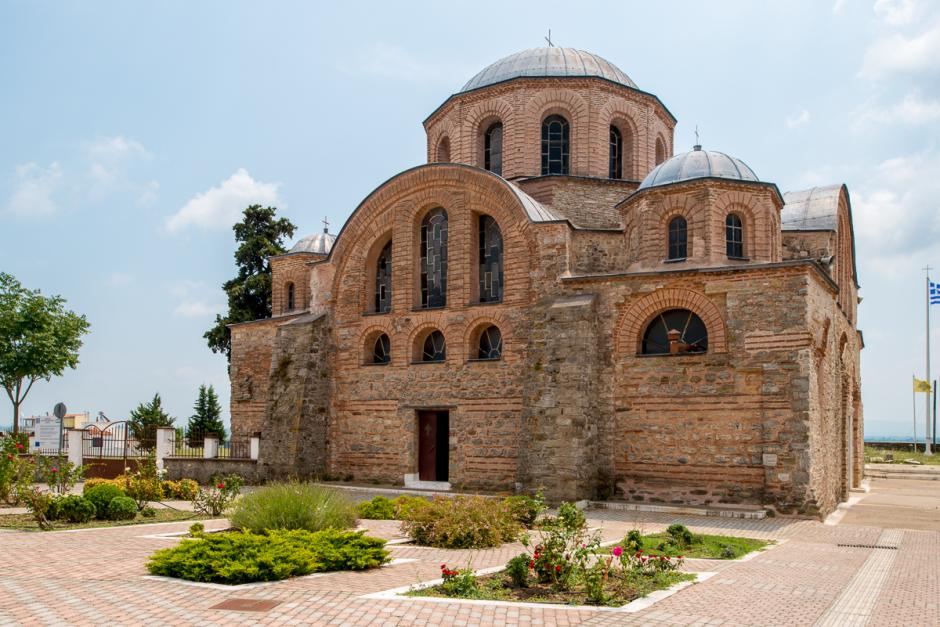
Monastery of Panagia Kosmosoteira (Feres)
An important ecclesiastical monument of Byzantine architecture, approximately 30 km east of Alexandroupolis, in the town of Feres, overlooking the Evros plain.
Cyclops' Cave
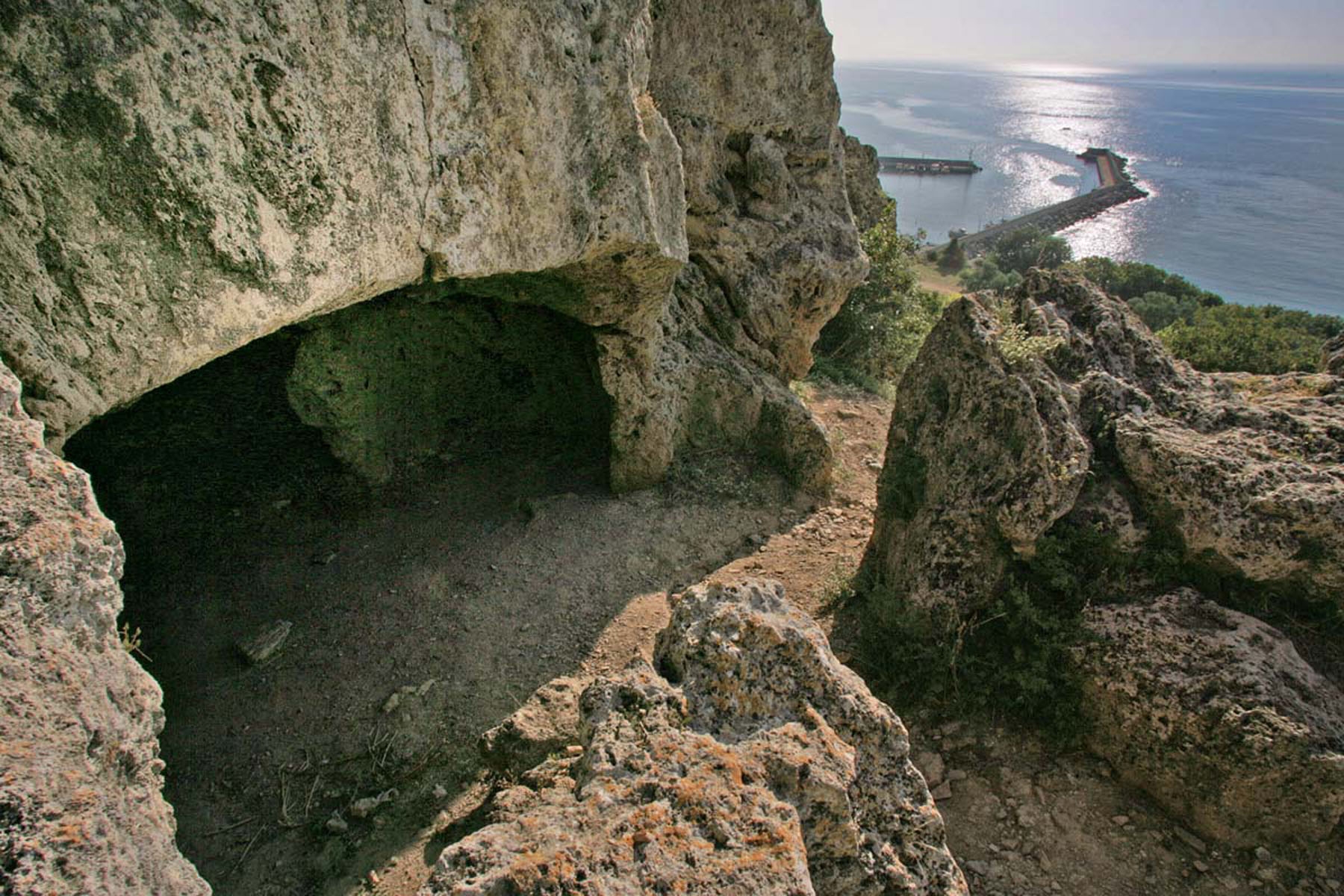
It is the cave known, according to local folklore, to be the cave of the cyclops Polyphemus, whom Odysseus blinded with a pole after getting him drunk. The cave is located on the beach of Makri with traces of use from the Neolithic Period, dating back to around 4,500 BC.